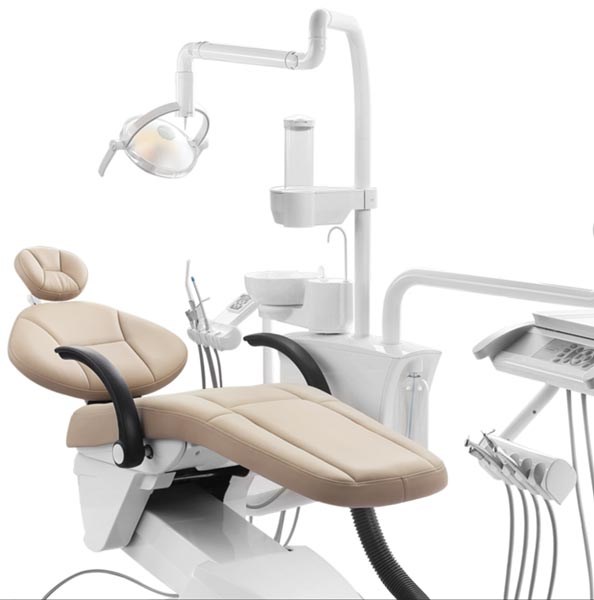
Oral Surgery
The branch of dentistry performed by a specialist including extraction of teeth and other oral conditions requiring surgical intervention

Oral surgery refers to any surgical procedure performed in or around your mouth and jaw, usually by a dental specialist who’s trained to perform certain kinds of oral surgeries. The main focus of the oral surgery is the diagnosis and surgical treatment of diseases, injuries and defects of both the hard and soft tissues of the mouth and teeth.
There are many conditions that are indicated for oral surgical treatment however one of the most common oral surgical treatment is the removal of impacted teeth, especially wisdom teeth. In addition other conditions such as apicoectomy, corticotomy, cystectomy, dental implant placement, bone graft surgery are also treatments performed by oral surgeons.
For each treatment, its indications, how it is performed and things that you need to know of, you can read in the “what to expect” and “FAQ” sections.
First appointment
On your first appointment, the oral surgeon will examine you thoroughly and answer all the questions regarding your problem. In addition, an orthopanthomogramic x-ray and local x-rays will be performed so that the doctor can have better information about your problem. At this stage, all the pros and cons regarding the intervention will be explained and what you need to do to prepare yourself. The doctor will also ask you to provide him with information about your general health and previous medical treatments and problems as well as if you are on a regular medical therapy concerning your general health.
Preparing for the surgery
Usually the dentist will explain everything to you during the first appointment.However it is advised that patients have something to eat before the surgery as they will not be able to eat for two to three hours after the intervention. People that take pills because of other medical conditions and are on regular medical therapy, should consult with the surgeon regarding their condition in advance.
What will happen during the procedure?
First of all ,the doctor will explain the surgical protocol and the way the surgery is going to be done. Afterwards, you will be administered local anesthetics and proper disinfection of your mouth and skin will be performed. In the time that follows the surgeon will start the intervention, during which he/she is going to be assisted by another doctor or two depending on the complexity of the intervention itself. A dental nurse is going to be present all the time, to assist the doctors in their requirements. After the intervention is completed the oral surgeon is going to explain to you how to treat the wound and what you need to do in the days that follow. The patient is going to be given a post operational protocol as well. If needed the doctor will prescribe antibiotics and pain killers to the patient to prevent bacterial contamination of the wound.
What kind of recovery time should I expect after the surgery?
Different surgical operations need different amount of recovery time. Simple extractions are not usually followed with pain and swelling, however complex extractions could be followed by mild to moderate pain and swelling in the days that follow. If pain is expected the doctor will prescribe the patient antibiotic therapy and painkillers as well. However most of the patients are able to continue their normal daily routines 24 hours after the surgery.
Should I expect pain afterward? If so, what kind of pain relief can I take?
Mild to moderate pain is expected in more complex surgeries, where larger amount of bone tissue loss is expected. However, pain killers such as ibuprofen and ketoprofen can help the patient to sustain the pain. In most of the cases, the pain does not last more than two or three days.
Follow ups
Depending on the severity of the surgery and the diagnosis of the problem, patients are scheduled for routine follow ups after one or two days, as well as seven to fourteen days later. Patients that have sutures should maintain proper oral hygiene at home and will be scheduled to visit the surgeon for sutures removal between the seventh and fourteenth day.
Schedule your visit today.
Easily access our services via phone or our
online contact form if you have any questions
or would like to schedule an appointment.
Our team will reply to you as soon as possible.