Oral health and dental care during pregnancy

Writes: Dr. Andrea Veleska
It is well known fact that every single pregnant woman’s imperative is bringing to life a healthy baby. This, by itself, considers personal self-care and therefore maintaining the general health of the pregnant to its optimal level, including activities to keep the oral health. Having good and healthy daily habits and maintaining accurate hygienic and dietary regime is of outstanding importance for the well-being of the future mom and her baby. Many women that are expecting, face numerous of body-related psychophysical changes during pregnancy, including changes to the teeth and whole oral cavity, so it is normal to look out on some of the following questions: ,, Does and how does the pregnancy influence my mouth and teeth?”, ,,Should I and how often should I visit dentist during pregnancy?”, ,,Are dental interventions safe for me and my baby?” etc…
The answers to these questions and many more, as well as everything connected with women and oral health during pregnancy, you will find about in this blog.
HOW DOES PREGNANCY AFFECT MY TEETH AND GUMS OR MY MOUTH OVERALL AND WHAT IS THE INFLUENCE OF MY HABITS TO MY PREGNANCY OUTCOME AND MY BABY?
Probably, during pregnancy, you have noticed certain changes that may occur inside your mouth. Some of the most frequent pregnancy-related are the following ones:
1. Gravidary gum disease (gingivitis during pregnancy) and periodontal disease
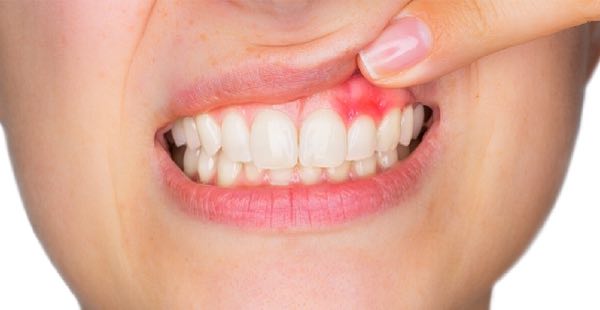
Approximately, 50% of women will face gravidary gingivitis during their pregnancies. The gingivitis is initial phase of periodontal disease, which, luckily is reversible. It represents inflammation of soft tissue that is surrounding the teeth, which manifests itself as swollen and reddish changes of the tissue. The pregnant women first notice these changes as bleeding from the gums during brushing teeth and maintaining regular oral hygiene. It is initiated as a result of hormonal imbalance that occurs during pregnancy (elevated levels of estrogen in the saliva, especially during second and third trimester). The estrogen hormone modifies the cell function of certain tissues, making the host susceptible to the influence of bacteria that are usually found in the mouth. Independently on the cause, every untreated gum disease will progress to further and deeper parts of the supportive tissue of the teeth, affecting the surrounding bone and the disease will transform in periodontal disease, endangering the support and stability of the teeth, which may start to get loose. On the other hand, many scientific researches link the periodontal disease with having premature baby and low baby weight. That is why it is of essential importance that it is cured on time, in these cases, during the pregnancy.
2. Decay and cavities during pregnancy
There is higher risk of developing decay during pregnancy. Although most of the patients believe that this occurs due to ,,extraction” of the calcium from teeth to support the needs of the fetus, scientific researches deny this claim. Pregnant women are prone to decay usually because of reasons of behavioral nature, as well as changes of habits and cravings for certain food. Susceptibility of increased consumption of sweet food (sugars) on one hand and frequent morning sickness on the other hand, decrease the pH in the mouth and increase the acidity, which may lead to higher demineralization and decay among the pregnant women. Maintaining exceptionally good oral hygiene and regular checkups at dentist are of vital importance to control and prevent the decay outbreak.
Nevertheless, moms with presence of cariopathogenic bacteria in their mouth (bacteria which are usually linked with decay manifestation among the population) can transmit this bacterial agents to the baby, making it prone to developing decay further in life, because of very close contact and interactions, usually by kissing the baby in the mouth. That is why, regular checkups during which the dentist may determine this kind of potential risks, are very important, because given the proper instructions for optimal hygienic and dietary regime, this kind of transmission and potential implications of baby’s teeth may be prevented from happening.

3. Granuloma gravidarum
Gravidal granuloma is an inflammatory lesion which develops on pregnant’s oral mucosa, as response to chronic irritants, such as bacterial plaque, dental tartar and traumatic agents and influenced by the modified response of the body that is caused by the increased concentration of estrogen and progesterone. Usually it manifests itself during the last months of pregnancy (third trimester), with most common localization on the gingiva (there can be also other localization). It represents itself as pinky or reddish change which from time to time may bleed. Depending on the clinical outcome, the treatment differs, that is why it is important that women regularly visit the dentists so he/she can evaluate and follow the lesion, and can suggest proper treatment which can vary from removal of all the local irritants such as bacterial plaque, dental tartar, change the fillings whose edges irritate the lesion, to surgical or laser removal of the lesion.
4. Dental erosions
Dental erosions are teeth defects from non-infectious nature (compared to the decay), which in pregnant women are linked with frequent vomiting during morning sickness and gastro-esophageal reflux, and unfortunately, these are irreversible. Regular checkups at the dentist during pregnancy are vital for protecting the exposed teeth and the associated sensitivity which may occur, and he/she may give you adequate instructions in these cases such as to avoid brushing right after vomiting, as well as consumption of acidic products, which additionally may favor these dental erosive defects.
WHAT IS THE BEST TIMING FOR UNDERGOING DENTAL INTERVENTIONS AMONG PREGNANT WOMEN?
We as dentists, recommend that you receive the necessary care and adequate treatment regardless on the stadium of the pregnancy. Do not worry, we will definitely take it into consideration that treatments should last shorter that usually, especially when you are in the later stages of your pregnancy, while you get maximal comfort during the treatment itself. The treatments for certain situations which do not cause any pain nor affect yours or the baby’s health, such as implant placing, cosmetic interventions or wisdom teeth extractions etc and are safe to be done, can be postponed after delivery, if they are reason for stress or discomfort in the woman.
X-RAYS AND RADIOGRAPHIC DIAGNOSTICS DURING PREGNANCY
One of the biggest concerns of pregnant women when visiting their dentists is the safety of x-rays exposition during diagnostic procedures and the impact of x-ray emission on the baby. It is of high importance to mention that among dentist around the world, x-rays during pregnancy are considered to be unconditionally and absolutely safe, taking into consideration the fact that thanks to the digitalization in radiographic diagnostics, the radiation is brought to minimum (less than flying by plane), and because of the protective equipment which every patient receives during the exposition. Despite this, due to higher comfort to our pregnant patients and wishes they feel safe, our clinic starts with radiographic diagnostics after the third month of pregnancy, when the organogenesis of the baby is finished.
ANESTHETICS AND OTHER MEDICAMENTS IN DENTISTRY AND THEIR SAFETY DURING PREGNANCY
If you are pregnant and you are in need of fixing a tooth, root canal treatment or pulling out a tooth, one of the things you SHOULD NOT worry about is the safety of the medicaments which are used during dental interventions. They are absolutely safe, for you and your baby. Regarding the anesthetics, there is no room for concerns as well. Not all anesthetics are the same, so the dentist will apply the suitable one indicated for your case.
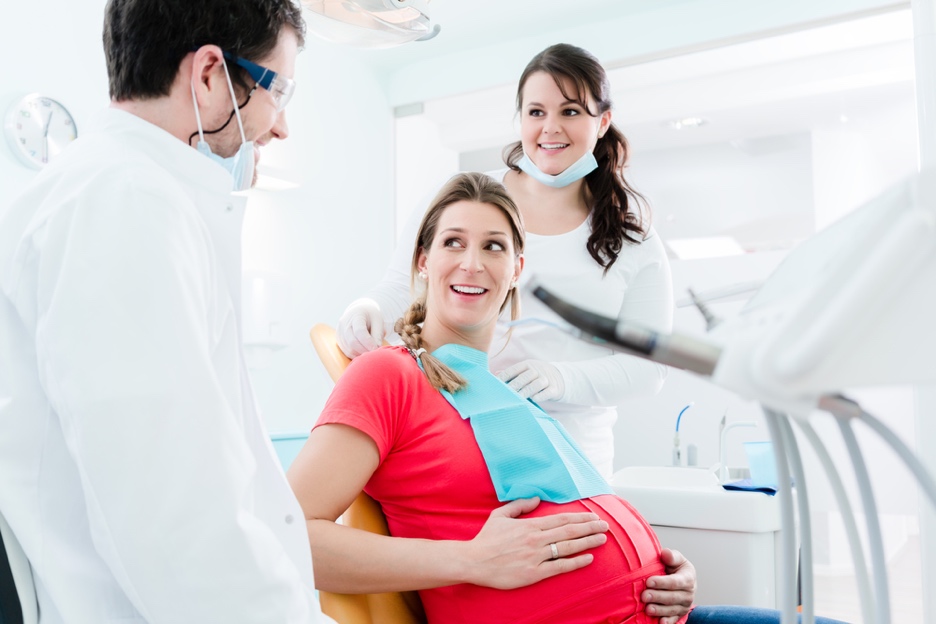
As conclusion of all above mentioned, we can sum up that regular checkups and monitoring of pregnant women are of essential importance for oral and general health of the mom and the baby. Proper maintaining of good oral hygiene, healthy dietary habits and practices, additionally exclude the potential risks to pregnant women. Our team of caring doctors are always available to answer all your questions and address all your concerns during pregnancy, and they will do everything in their power to guide your oral health, with only one purpose: delivering to life a healthy baby!
Schedule your visit today.
Easily access our services via phone or our
online contact form if you have any questions
or would like to schedule an appointment.
Our team will reply to you as soon as possible.